Elevate Your Interior: Seasoned House Painters Offer Guidance and Methods
Revitalizing a living space can significantly enhance its appeal. Expert house painters stress the importance of selecting an appropriate color palette that complements the home's architecture. Adequate preparation is critical to achieving a pristine finish. Additionally, understanding effective application techniques serves a key role in the outcome. With the proper approach, anyone can develop a impressive environment that showcases their taste. The journey extends past with paint; maintenance is just as important. What should homeowners understand about preserving their efforts?
Selecting the Ideal Color Combination
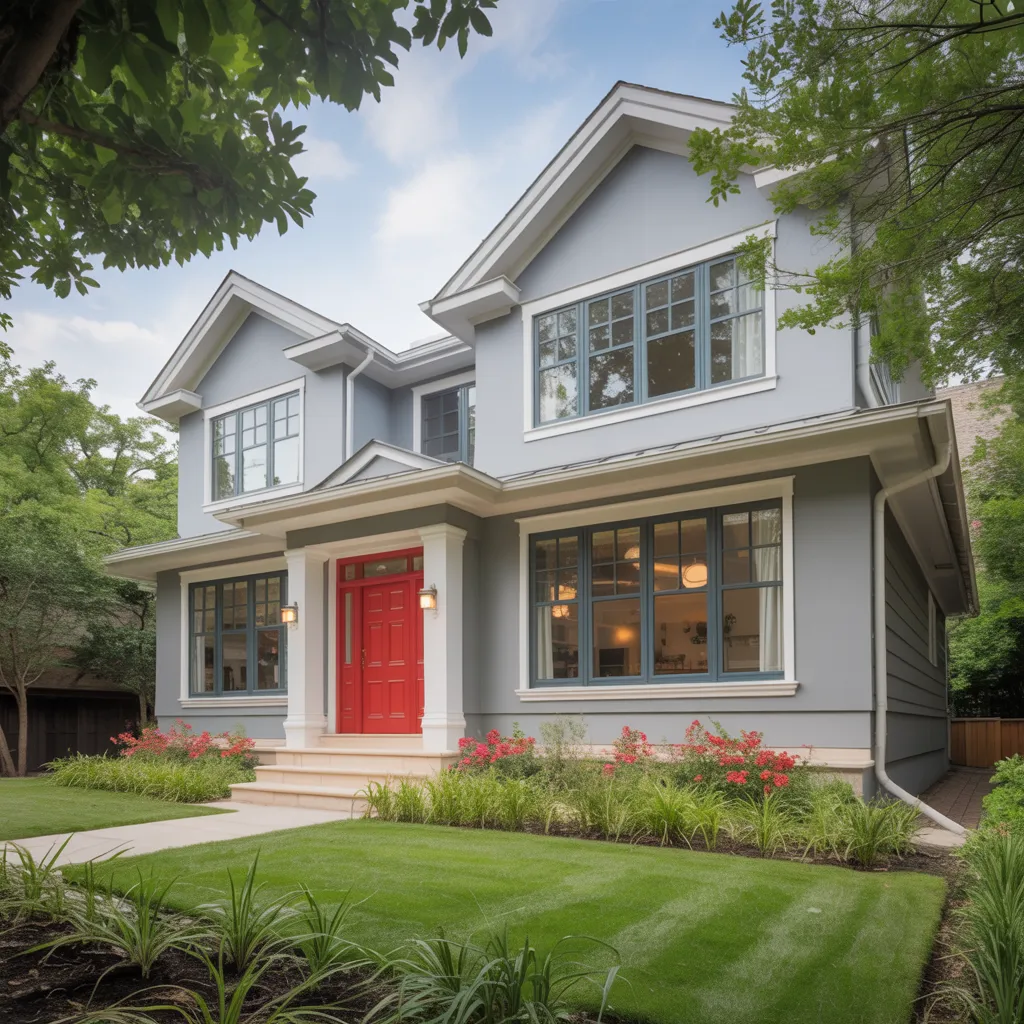
How can you choose the ideal color palette for a home? The method begins with understanding the emotions and atmosphere that distinct colors evoke. Muted tones frequently create a peaceful environment, while vibrant hues can energize a space. Homeowners should think about the home's architecture and natural light; darker shades may work well in well-lit areas but could make tight, dim rooms feel cramped.
Furthermore, it is essential to evaluate the flow between rooms. A cohesive color scheme can strengthen the overall aesthetic and create a sense of unity. Implementing color swatches and testing them on walls can help visualize how the colors interact with furnishings and decor. Finally, personal preference plays a significant role, as choosing shades that resonate with one's taste ensures a comfortable and inviting space. By balancing these elements, one can successfully curate a harmonious color palette tailored to individual needs.
Getting Ready Your Space for Painting
Before initiating a painting project, it is crucial to set up the space comprehensively to guarantee perfect results. This preparation involves several key steps. First, the area should be cleared of furniture and other items to prevent damage and permit unobstructed movement. If removing large items is not viable, covering them with drop cloths or plastic sheeting is wise.
After that, all surfaces require cleaning to guarantee proper paint adhesion. Dust, dirt, and grease can impede the painting process, so a thorough wipe-down of both walls and trim is required. Additionally, any imperfections like holes or cracks should be repaired with spackle or filler, then sanded to a smooth finish.
Lastly, it is important to protect edges where various surfaces meet, such as door frames, trim, and windows. This step will ensure clean lines and a professional result, paving the way for a successful painting project.
Essential Items and Resources
After the space is prepared, collecting the correct tools and materials becomes vital for achieving a pristine paint job. A high-quality paintbrush, generally angled for precision, is essential for cutting in around borders and corners. Rollers, with various nap lengths, are necessary for painting larger wall areas effectively. A sturdy paint tray aids in manage paint application and minimizes mess.
Professional painters should purchase painter's tape to protect trim and create clean lines. Drop cloths or plastic sheeting are important for protecting floors and furniture from drips and spills. A ladder or step stool ensures easy access to high spaces, while a paint stirrer facilitates achieving an even consistency.
Finally, choosing high-quality paint appropriate for the specific surface and wanted finish is critical. By furnishing themselves with these essential tools and materials, painters set the stage for a quality and polished finish.
Excelling in Application Strategies
Perfecting application approaches is vital for achieving a professional finish in house painting. Thorough surface preparation is the basis of a successful paint job. This includes scrubbing, sanding, and priming surfaces to ensure the best paint adhesion. Painters should utilize approaches such as brushing, rolling, and spraying, each suited for different areas and finishes. For example, brushes are best for edges and detailed work, while rollers cover larger areas valuable resource quickly, and sprayers produce an even coat with minimal texture.
Furthermore, knowing the appropriate amount of paint to load on the applicator is critical; too much can cause drips, while too little may lead to uneven coverage. The application needs to be smooth and consistent, using steady, even strokes. Patience is vital, as hurrying can compromise the final appearance. Observing drying times between coats also helps in achieving a flawless finish.
Tips for Achieving a Professional Finish
Attaining a professional finish in house painting demands careful attention to detail and adherence to best practices. Initially, selecting top-quality paint and tools is crucial; professional-grade brushes and rollers can substantially influence the final outcome. Proper surface preparation should never be ignored; cleaning, sanding, and priming surfaces provide optimal paint adhesion. Painters should utilize even strokes and consistent pressure while applying paint, allowing for sufficient drying time between coats to avoid streaks or uneven textures.
Applying painter's tape for sharp lines creates a clean separation between different colors, improving the overall appearance. Additionally, keeping a wet edge during application stops lap marks and ensures a uniform finish. Finally, reviewing the finished work under different lighting conditions allows for the identification of imperfections that may require touch-ups. By implementing these strategies, individuals can attain a refined, professional look that transforms their space.
Common Mistakes to Avoid
With even the best techniques for a professional finish, common mistakes can detract from the overall quality of a painting project. One prevalent error is skipping proper surface preparation, such as cleaning, sanding, or priming, which can cause poor adhesion and uneven coverage. In addition, using the wrong brush or roller can lead to streaks or texture inconsistencies.
A common error involves neglecting to consider environmental conditions, especially humidity and temperature, which can influence drying times and paint application. Hurrying the work can result in missed spots or insufficient drying between coats, undermining the final look.
Last but not least, choosing the incorrect paint finish for a specific area can cause unwanted results, such as excessive shine or problems with cleaning. To attain a flawless finish, knowledge of these common pitfalls is vital for any residential painting endeavor.
Maintaining Your Newly Painted Surfaces
Preserving newly painted surfaces is essential for preserving their visual quality and longevity. Setting up a regular cleaning schedule and using gentle cleaning practices can help prevent damage. Furthermore, avoiding harsh chemicals assures that the integrity of the paint remains intact over time.
Standard Cleaning Schedule
Establishing a consistent cleaning schedule is necessary for maintaining the visual appeal and long-term quality of new paint finishes. Regular maintenance prevents the gathering of dirt, dust, and debris that can dull the finish and weaken the paint's durability. It is wise to create a routine that includes soft dusting and mild wiping every few weeks, using a tender cloth or sponge. For zones vulnerable to stains, such as hallways or kitchens, more regular cleaning may be necessary. Homeowners should focus on frequently accessed spaces, where marks and scuffs can accumulate. By embracing this preventive strategy, property owners can guarantee their painted surfaces remain fresh and vibrant, improving the general appearance of their residential spaces for years ahead.
Stay Away from Strong Chemicals
Many home owners don't fully grasp the impact of harsh chemicals on recently painted surfaces. These products can degrade the finish, resulting in discoloration, peeling, and premature wear. Specialists advise using mild, pH-neutral cleaners to preserve the integrity of the paint. Moreover, it is advisable to avoid abrasive scrubbers, which can damage the surface and diminish its appearance. Instead, non-abrasive cloths or sponges should be employed for gentle cleaning. Property owners should also be wary with products that contain ammonia or bleach, as these can react negatively with paint. By selecting safer alternatives, such as vinegar-based or baking soda solutions, individuals can preserve their painted surfaces effectively while lengthening their lifespan and beauty. Adhering to these tips secures a lasting, vibrant finish.
Questions and Answers
What Is the Total Drying Time for Paint?
Paint typically takes 1-2 hours to dry to the touch, but total curing can require multiple days to weeks, based on the variety of paint, moisture levels, and temperature conditions in the surrounding area.
Can I Apply Paint Over Wallpaper or Previous Paint?
While painting over wallpaper or old paint can be done, it requires proper preparation. Stripping loose wallpaper and sanding old paint provides better adhesion. A primer might be needed to achieve a smooth, long-lasting surface finish.
When Should You Paint During the Year?
The optimal time of year to paint is generally spring or early fall, when temperatures are moderate and humidity levels are lower. This provides perfect drying conditions and decreases the risk of paint problems.
How Should I Decide Between DIY and Professional Services?
Selecting between DIY and bringing in professionals relies on competency level, task complexity, time availability, and budget. Evaluating these considerations enables individuals make informed decisions that suit their expected outcome and total satisfaction.
How Does Painting a House Affect the Environment?
Residential painting can contribute to environmental impacts such as the release of volatile organic compounds, water pollution from runoff, and container waste production. Selecting eco-friendly products can mitigate these negative effects and encourage sustainable practices.